English
 తెలుగు



Natural Red Coral – Best Quality (Japan)
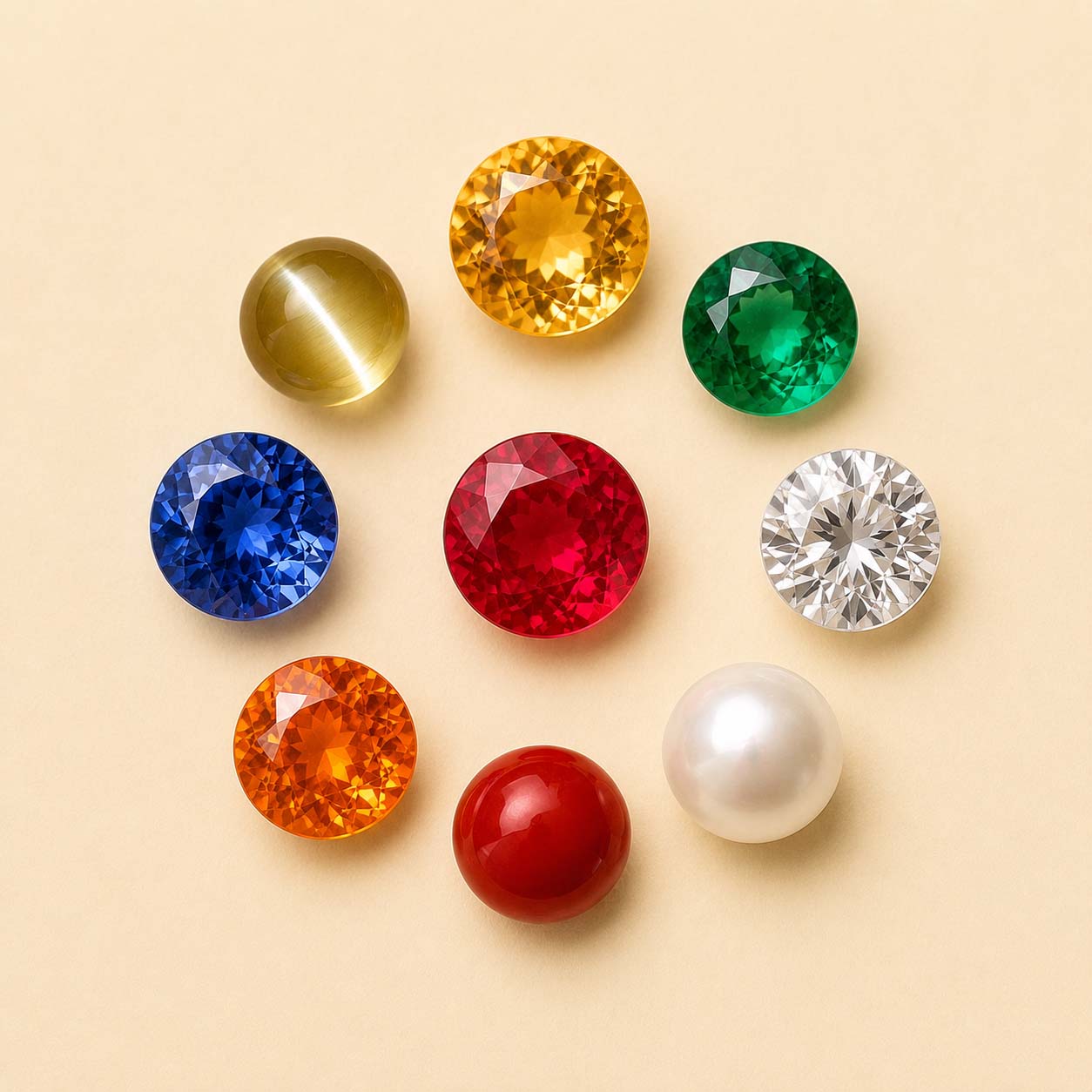
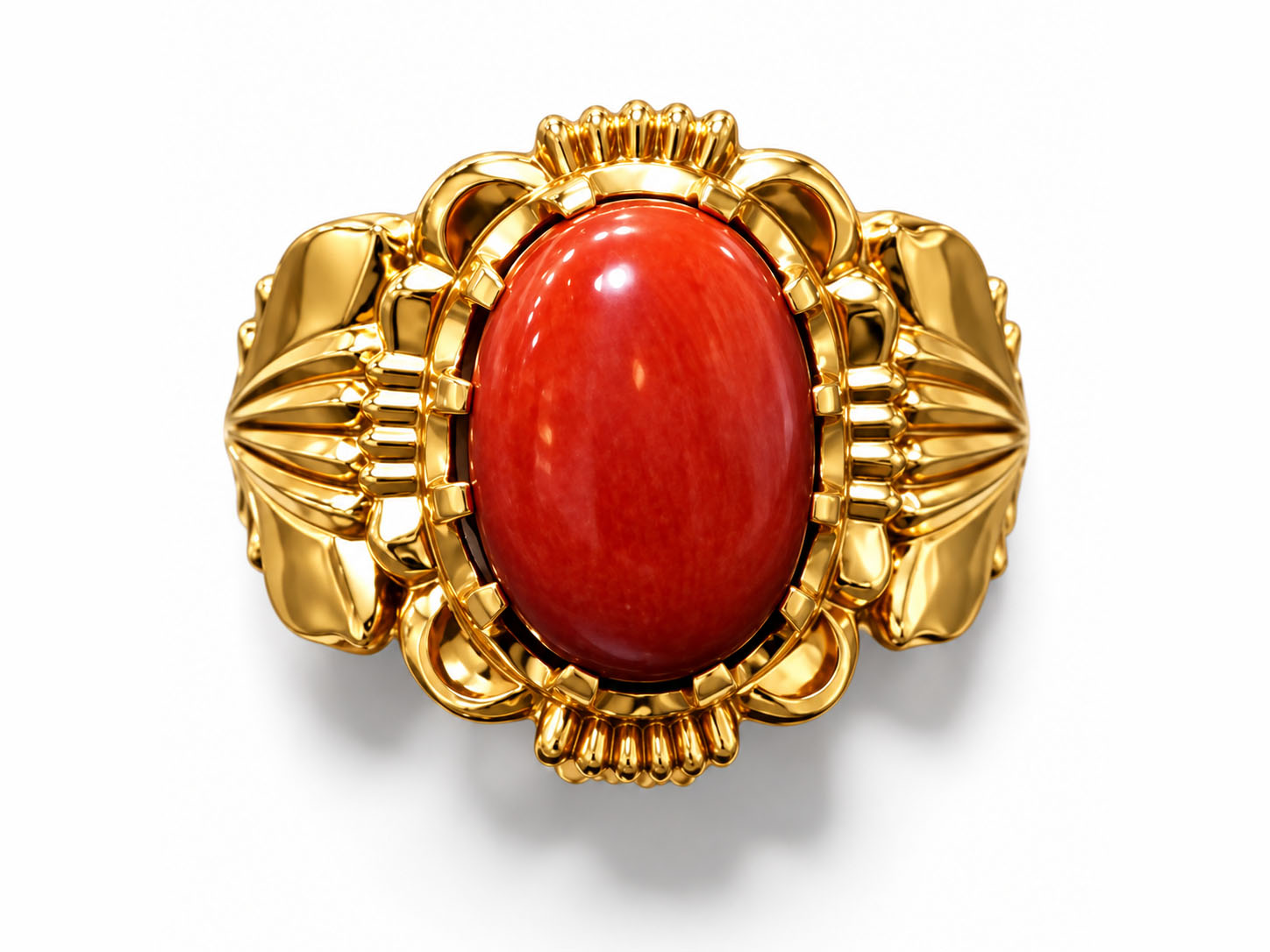
Natural Red Coral, traditionally known as Moonga, is an organic gemstone admired for its rich red color and distinctive natural character.
Our Best Quality Japanese Red Coral is selected for its desirable color, smoothness, surface appearance and overall quality characteristics, making it suitable for customers looking for a higher-grade Natural Coral.
Astrological Significance of Red Coral
In Vedic astrology, Red Coral is traditionally associated with Mars (Mangal).
Mars is traditionally connected with:
Courage
Strength
Confidence
Determination
Initiative
Leadership
Energy and action
Traditional practitioners may recommend Red Coral when Mars has a suitable role in the individual's birth chart.
These are traditional astrological beliefs and are not scientifically established effects.
Scientific & Gemological Properties
Natural Red Coral is an organic gemstone formed by marine coral organisms.
Unlike Ruby, Sapphire and other crystalline gemstones, Coral has an organic structure and is primarily composed of calcium carbonate.
Important properties
Type: Organic gemstone
Composition: Primarily calcium carbonate
Color: Red to reddish-orange
Hardness: Approximately 3–4 Mohs
Lustre: Waxy to vitreous
Formation: Marine organic material
Because Coral is relatively soft, proper care is essential.
Who Can Wear Red Coral?
Traditional Vedic astrology generally recommends Red Coral according to the individual's birth chart and the role of Mars.
It may traditionally be considered by people interested in:
Courage
Confidence
Determination
Initiative
Leadership
Energy
Astrological Consultation
If you intend to wear Red Coral specifically as an astrological gemstone, consulting a qualified astrologer before making your selection is recommended.
Traditional recommendations may vary based on the individual's horoscope.
How to Wear and Care for Red Coral
Traditional astrological practices may recommend specific metals, fingers, gemstone weights and timings.
For jewellery purposes, secure mounting is important.
Since Coral is relatively soft, avoid:
Strong impacts
Abrasive surfaces
Harsh chemicals
Acids
Perfumes
High heat
Ultrasonic cleaning
Use a soft cloth for gentle cleaning.
About Japanese Red Coral
Japanese Coral is associated with Japan's established Coral industry and is used in jewellery and ornamental applications.
Where exact geographic origin or treatment status is important, appropriate gemological documentation should be consulted.
Understanding Best Quality
Best Quality represents a higher category based on the overall characteristics of the Coral.
Factors may include:
Rich and attractive red color
Color consistency
Smooth surface
Shape
Natural characteristics
Overall visual appeal
Natural Coral can still display natural surface characteristics even in higher quality grades.
Frequently Asked Questions
1. What is Japanese Red Coral?
Japanese Red Coral refers to Coral associated with Japan and its established Coral trade and jewellery tradition.
2. Is Japanese Coral the same as Moonga?
Moonga is the traditional Indian name for Red Coral. Japanese Coral refers to a geographic/trade designation.
3. Which planet is associated with Red Coral?
Mars is traditionally associated with Red Coral.
4. What is the scientific composition of Coral?
Natural Coral is primarily composed of calcium carbonate.
5. Is Coral a mineral?
No. Coral is classified as an organic gemstone because it is formed by marine organisms.
6. Is Japanese Red Coral hard?
No. Coral has a relatively low hardness of approximately 3–4 Mohs and should therefore be handled carefully.
7. What makes Best Quality Coral desirable?
Color, smoothness, surface appearance, shape, natural characteristics and overall visual quality can contribute to its desirability.
8. Does Red Coral scientifically increase strength or courage?
There is no scientific evidence establishing such effects. These associations come from traditional astrology.
9. Can Red Coral be worn every day?
It can be worn with appropriate care, but it is more vulnerable to scratches and damage than harder gemstones.
10. How should I protect my Coral jewellery?
Keep it away from chemicals, perfumes, acids, high heat and abrasive materials. Store it separately from harder gemstones.
11. Should everyone wear Red Coral?
There is no scientific zodiac restriction. For astrological use, traditional practice recommends checking the individual's horoscope.
12. Does Red Coral have medical benefits?
There are no scientifically established medical benefits from wearing Red Coral.
Disclaimer: Astrological significance and traditional benefits are based on traditional beliefs and are not scientifically proven. Natural Coral can vary in color, surface characteristics and appearance. Product photographs may differ slightly from the actual gemstone due to lighting and screen settings.